End of the Road, But Before We Go, Part 1
A Little Bit of History Before the Close
While Safe Omaha Streets (SOS) technically began in early 2022, its origins date back to 2020, when I was earning a graduate certificate from Tufts University via an online program. One course I completed focused on physical activity and the built environment, and for our final project, we were tasked with identifying a physical activity topic or problem in our community and applying course concepts as a safe solution. I chose the intersection of 52nd & NW Radial Hwy for my project, and analyzed a variety of potential solutions from roundabouts and road diets to curb extensions and improved crosswalks. The assignment asked us to lay out our ideas in both memo form and PowerPoint presentation, and if you’re nerdy, you can read the memo that accompanied the PowerPoint.
I was invited by Andy Wessel (formerly with the Douglas County Health Department ) to give my NW Radial presentation to the Mayor’s Active Living Advisory Committee (ALAC), which I did in January of 2021. Since I’m a transportation fangirl, I was stoked to find out that the then-newly hired Vision Zero Coordinator, Jeff Sobczyk, would attend that meeting. I love this quote from Jeff that we featured in our 2nd blog post in 2022:
I am passionate about the fact that safe roads/transportation is vital to a good quality of life. At the end of the day, the roads we use to go about our daily lives, are public assets. Regardless of what mode of transportation you use, regardless of your income, where you live, your age, or physical ability; roads should be designed and maintained to encourage safe and equitable use by all.
My presentation was well-received, and because of my interest in transportation and my connection to the ALAC committee, I later applied for an appointment to ALAC. After several months, when I was told my application was not accepted, I decided to take another route to transportation advocacy and started Safe Omaha Streets (SOS) with my partner, Jim Pattavina.
Jim and I had long been infuriated by the dangerous driving that characterizes Omaha, with everything from variable speeds and red light running to impaired driving and street racing. But we knew we needed to start small and focus on one goal, so we began tackling red light running, an issue that continues to plague all of Omaha.
We (erroneously) believed all it would take was the mobilization of residents and leadership to install red light cameras throughout the city to introduce the public to automated enforcement. During our research, we quickly learned that Omaha had not dabbled in automated enforcement, not because of any backward thinking, but because red-light cameras were not legal in the entire State of Nebraska. Check out our 2022 blog post for all the reasons why.
So we went another route and decided to start by educating the public about transportation safety at the city and state levels. Over the past four years, we maintained that commitment to educating the public through newsletters, articles, social media posts, and presentations to multiple college classes.
Here are just a few of the various topics we covered over the years:
street art guidelines
MUTCD
how to zipper merge
daylighting
clearance intervals
data analysis
crash forms
equity and public safety
crosswalk installation
Vision Zero
how to speak at city council
how to conduct a public records request
how to engage with the legislation, and
creative ways to advocate.
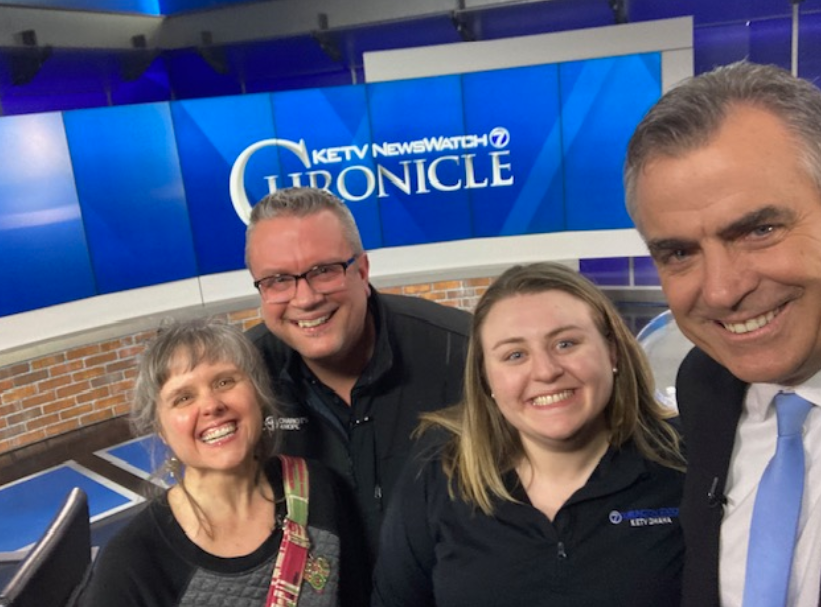
SOS also used our network to conduct effective public outreach and promotion about open houses, public comment periods, enforcement requests, and the City’s safety efforts. The local news media, both print and visual, featured SOS in a variety of news stories and segments.
As the main representative of SOS, I was honored to serve on a variety of committees and boards. I played an active role in the development of Omaha’s Vision Zero Action Plan as a member of the VZ Technical Advisory Committee. I also served on MAPA’s Safe Streets for All SS4A Safety Committee, the City of Omaha’s Bus Bench Maintenance & Advertising Program Stakeholder Committee, the Omaha trails master plan focus group, and most recently on the Ames Avenue Safe Mobility Recovery Plan committee.
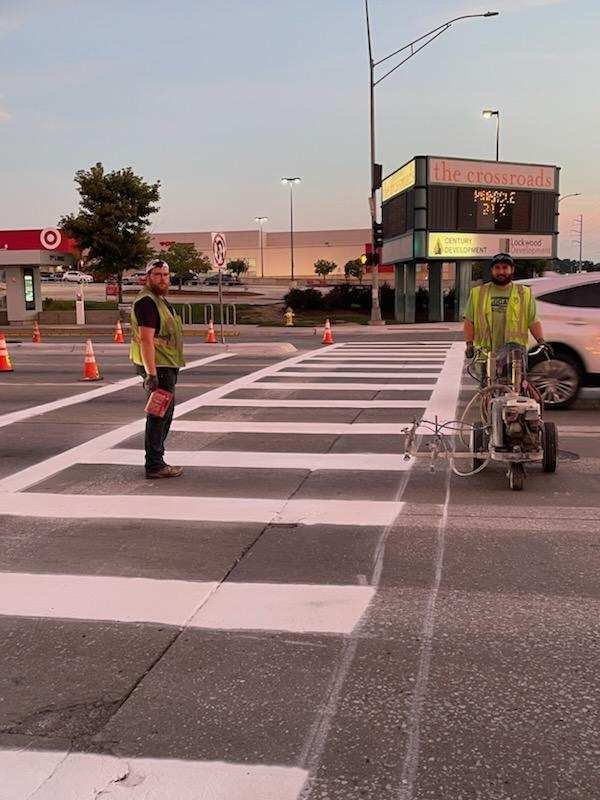
We also conducted a data-driven Road Safety Audit for a section of 72nd Street from Dodge to Pacific Streets. This multi-user road safety audit provided substantial information on safety needs and also resulted in a scalable template for other organizations to use. This segment of 72nd Street, including the intersection of Pacific and 72nd, now has marked crosswalks. You can check out the full report and template here.
Even with all these accomplishments, my most cherished part of SOS was meeting like-minded folks in the transportation and safety community, as well as the personal connections I made along the way. Professionally, SOS collaborated with MAPA, Metro Transit, the City of Omaha, the Omaha Police Department Traffic Unit, Keep Kids Alive Drive 25, Blue Bucket Project, Project Extra Mile, Heartland Bike Share, and many more!
A shout-out to some of the amazing individuals I came to know, or got to know better, and respect through my work with SOS:
Jeff Riesselman
Jeff Sobczyk
Austin Rowser
Nick Gordon
Tom Everson
Cindy Tefft
Jim Boerner
Evan Schweitz
Nicole Ebat
Tim Adams
Derek Miller
Don Rowe
Danny Begley
Pete Festersen
Chris Wagner
Carlos Morales
Alex Mendoza
Neal Bonacci
Eric Koeppe
I’m sure there are more, but SOS could not have accomplished what it did without these folks.
And honestly, SOS wouldn’t have lasted a month without the support and enthusiasm of my friends and family! Jim Pattavina, Barbi Hayes, Megan Thomas, Doug Kabourek, Elisabeth Percival, Craig Hoffman, Kristin Ndoda, Dana Freeman, Stuart Shell, Molly Pool, Danny Stewart, Julie McIntire, Pat Weddle, Farrah Grant, Nick Wennstedt, Jen Schantz, Maureen Konwinski, Larry Wade, and likely a million more folks who buttressed me.
. . . That was the history, now check out Part 2 for the Future.
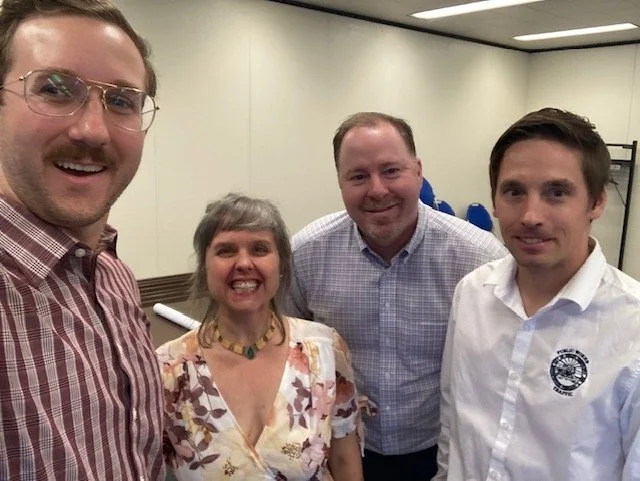
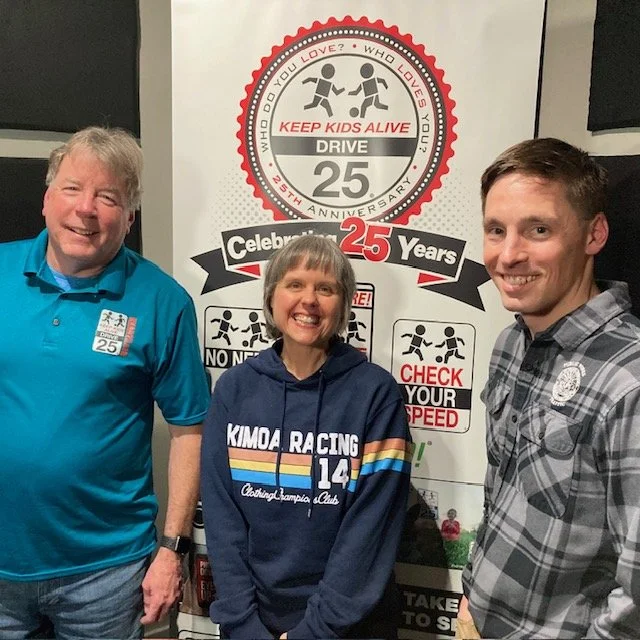
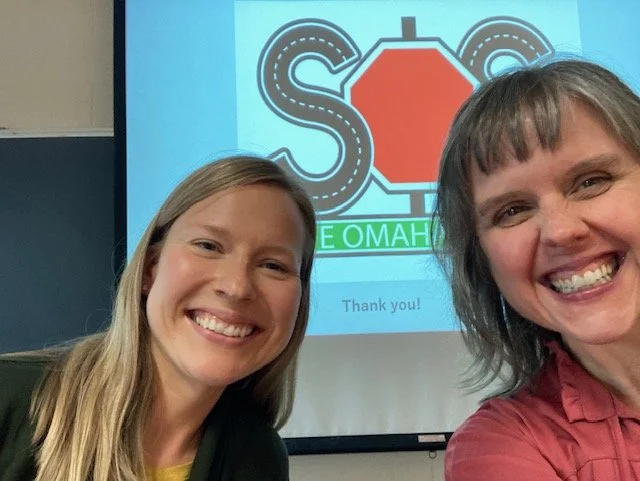
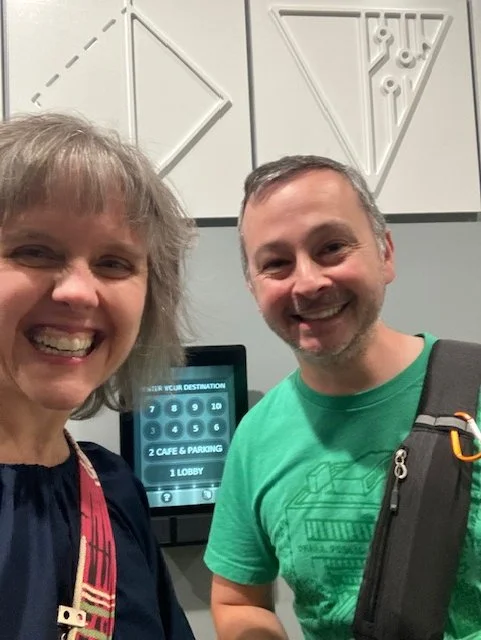
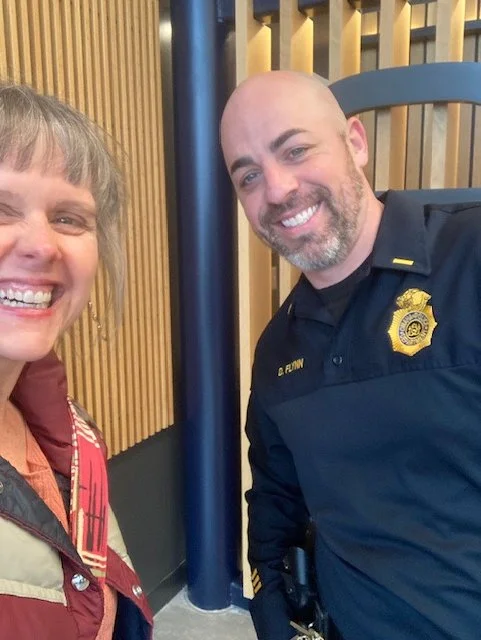
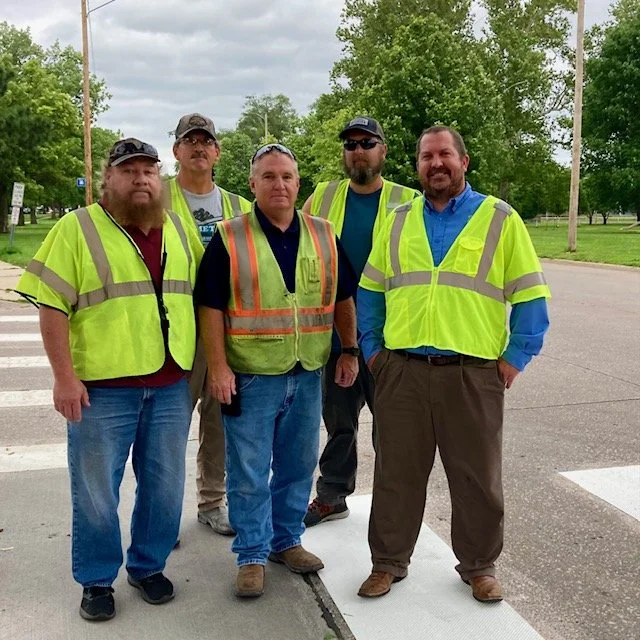
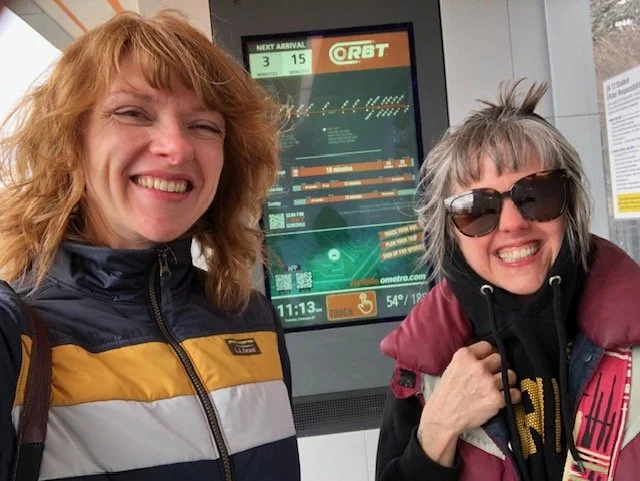
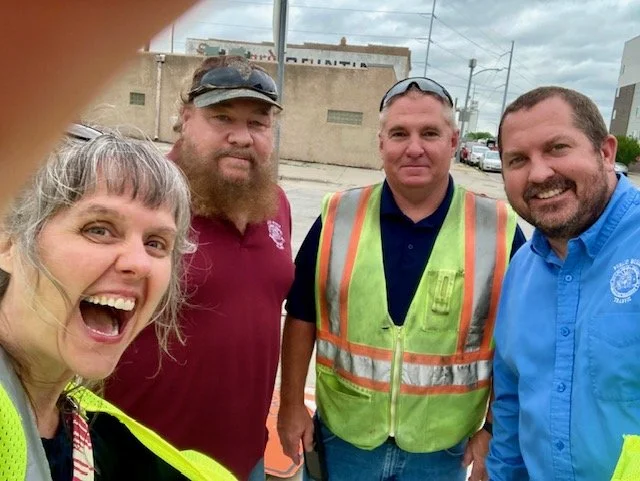
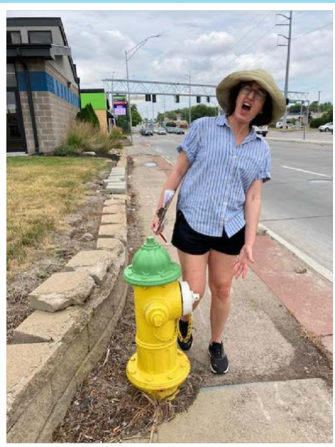
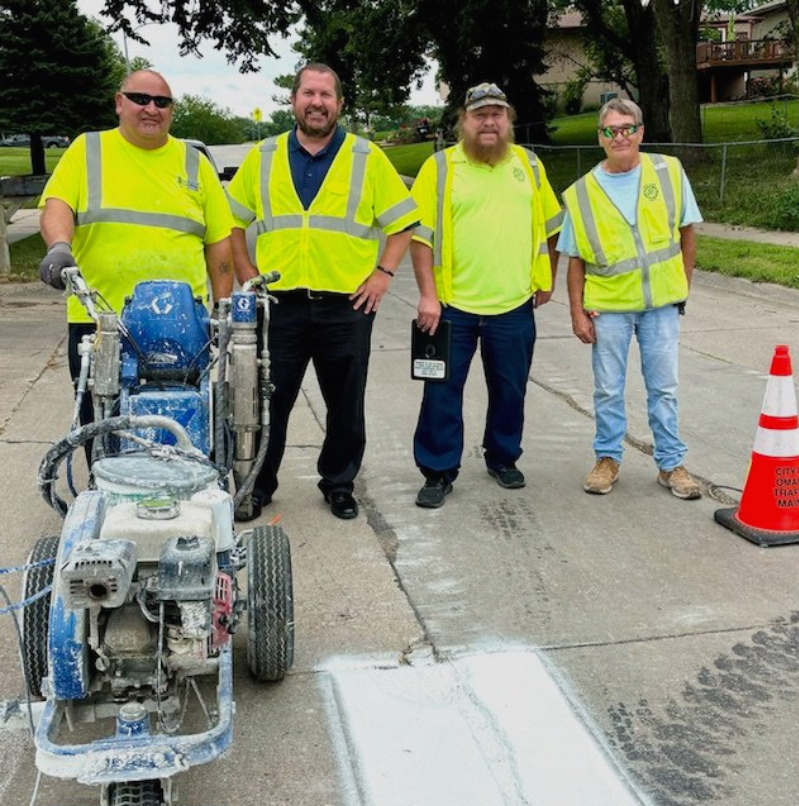
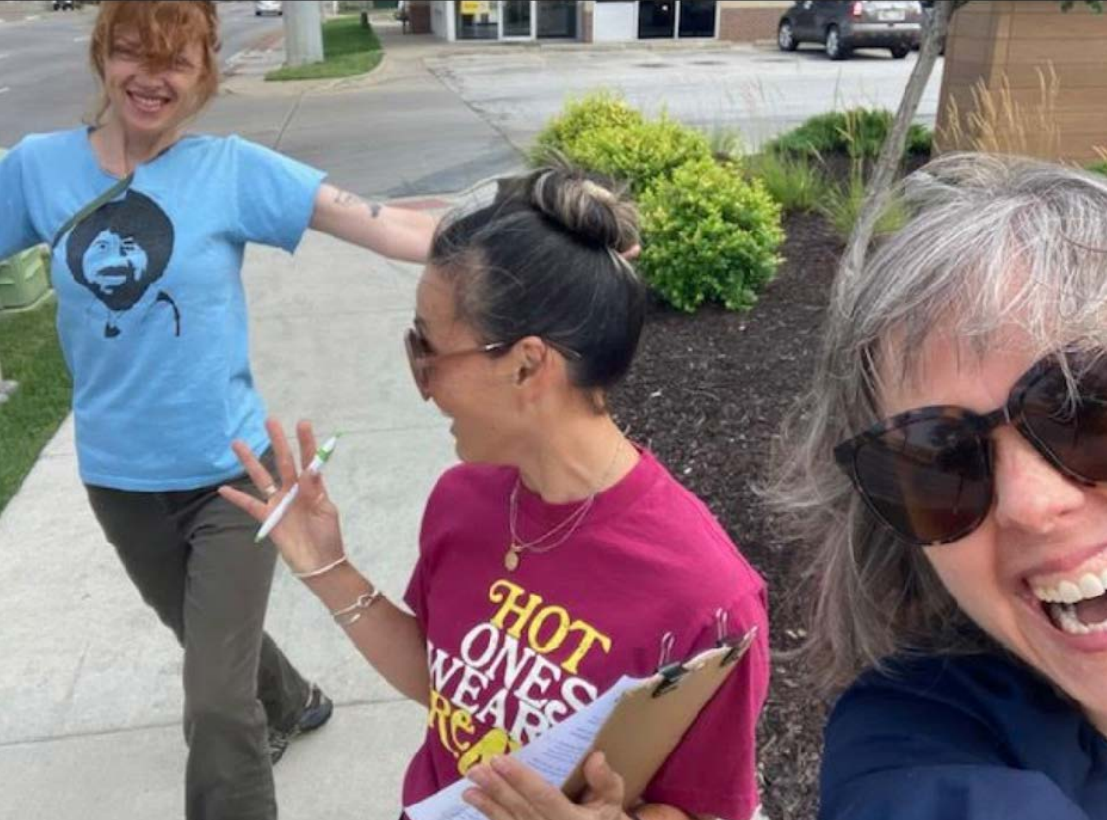
And enjoy some of my favorite SOS photos from over the years. . .